

article atm-icon bar bell bio cancel-o cancel ch-icon crisis-color crisis cs-icon doc-icon down-angle down-arrow-o down-triangle download email-small email external facebook googleplus hamburger image-icon info-o info instagram left-angle-o left-angle left-arrow-2 left-arrow linkedin loader menu minus-o pdf-icon pencil photography pinterest play-icon plus-o press right-angle-o right-angle right-arrow-o right-arrow right-diag-arrow rss search tags time twitter up-arrow-o videos

Suggested Content

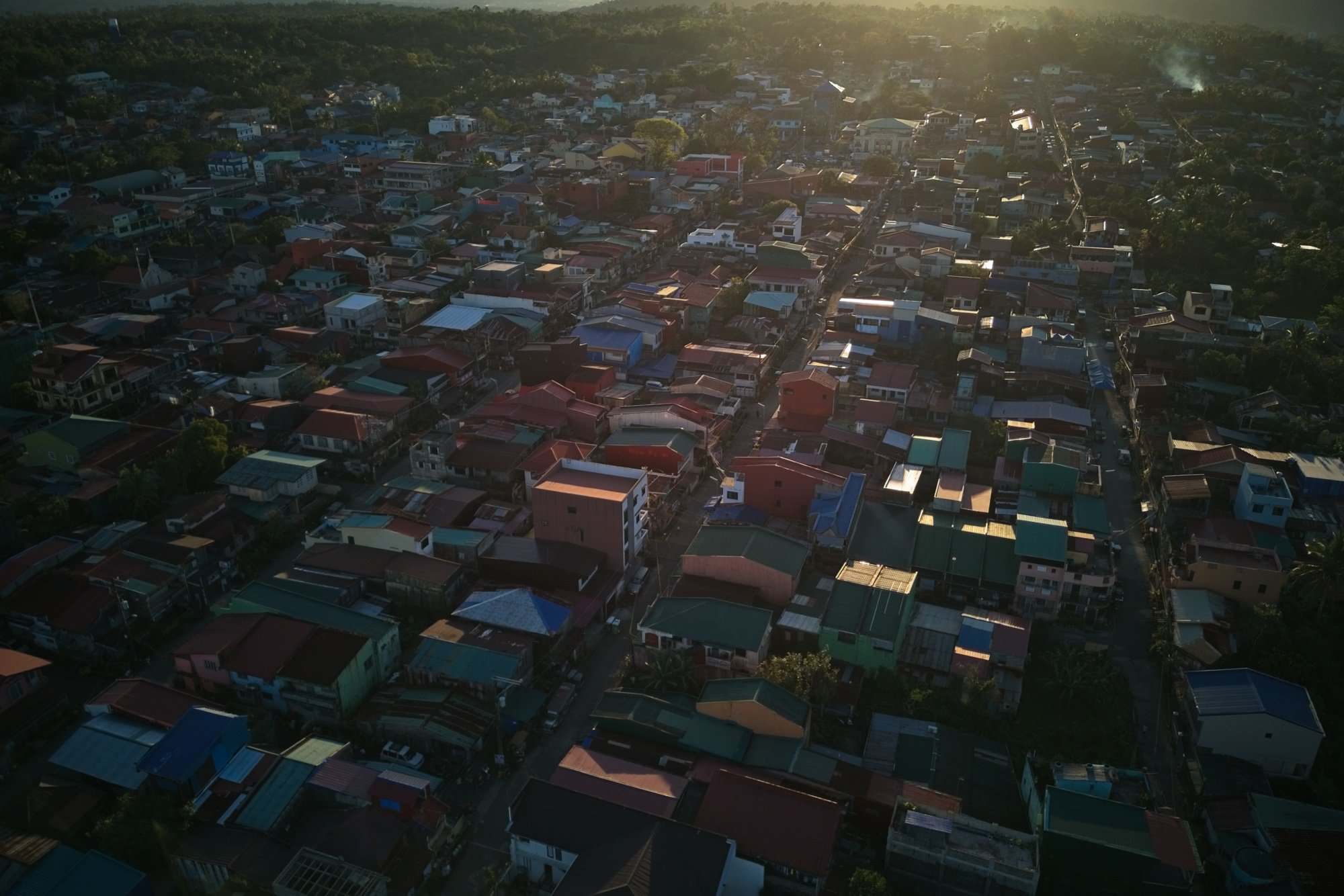
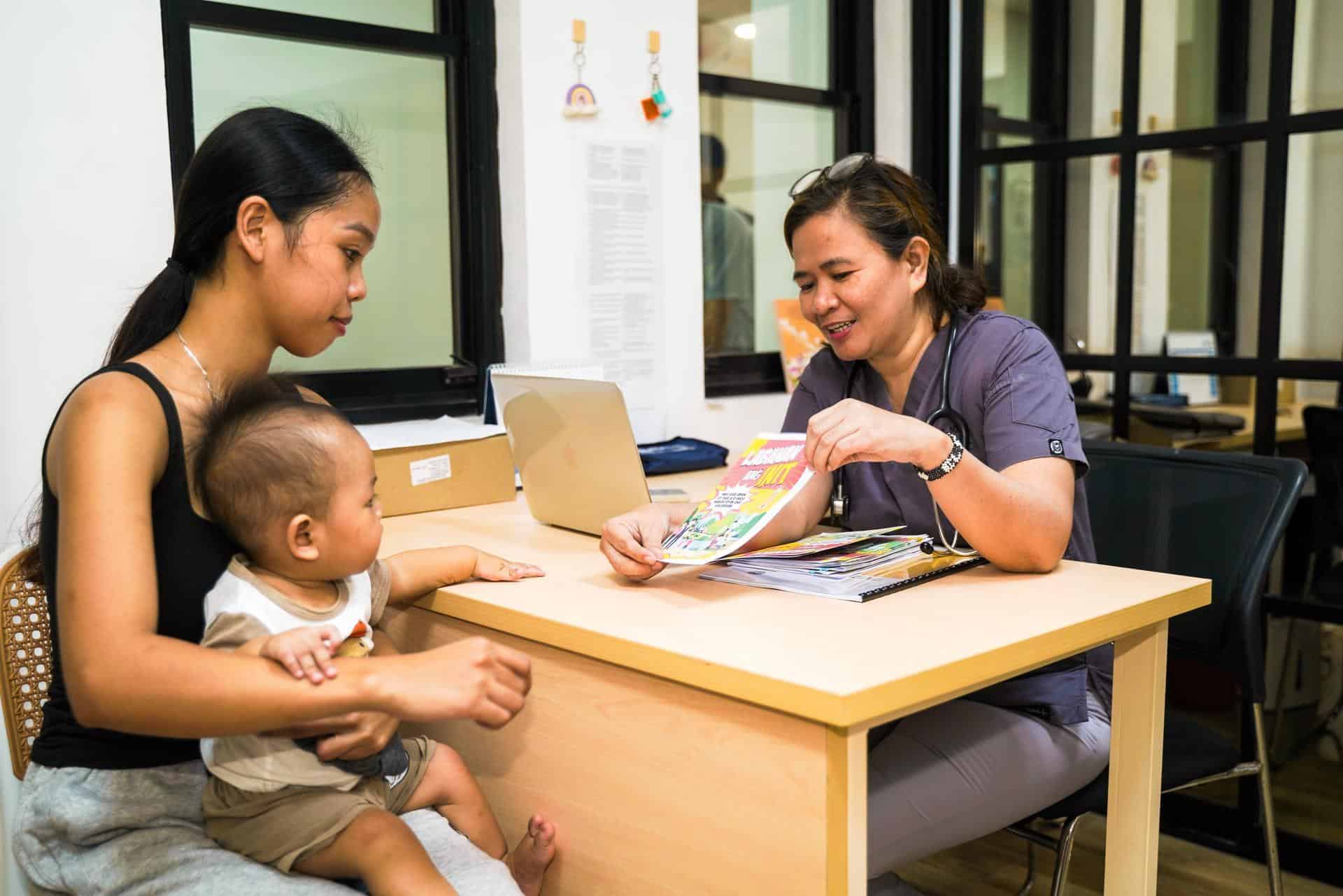
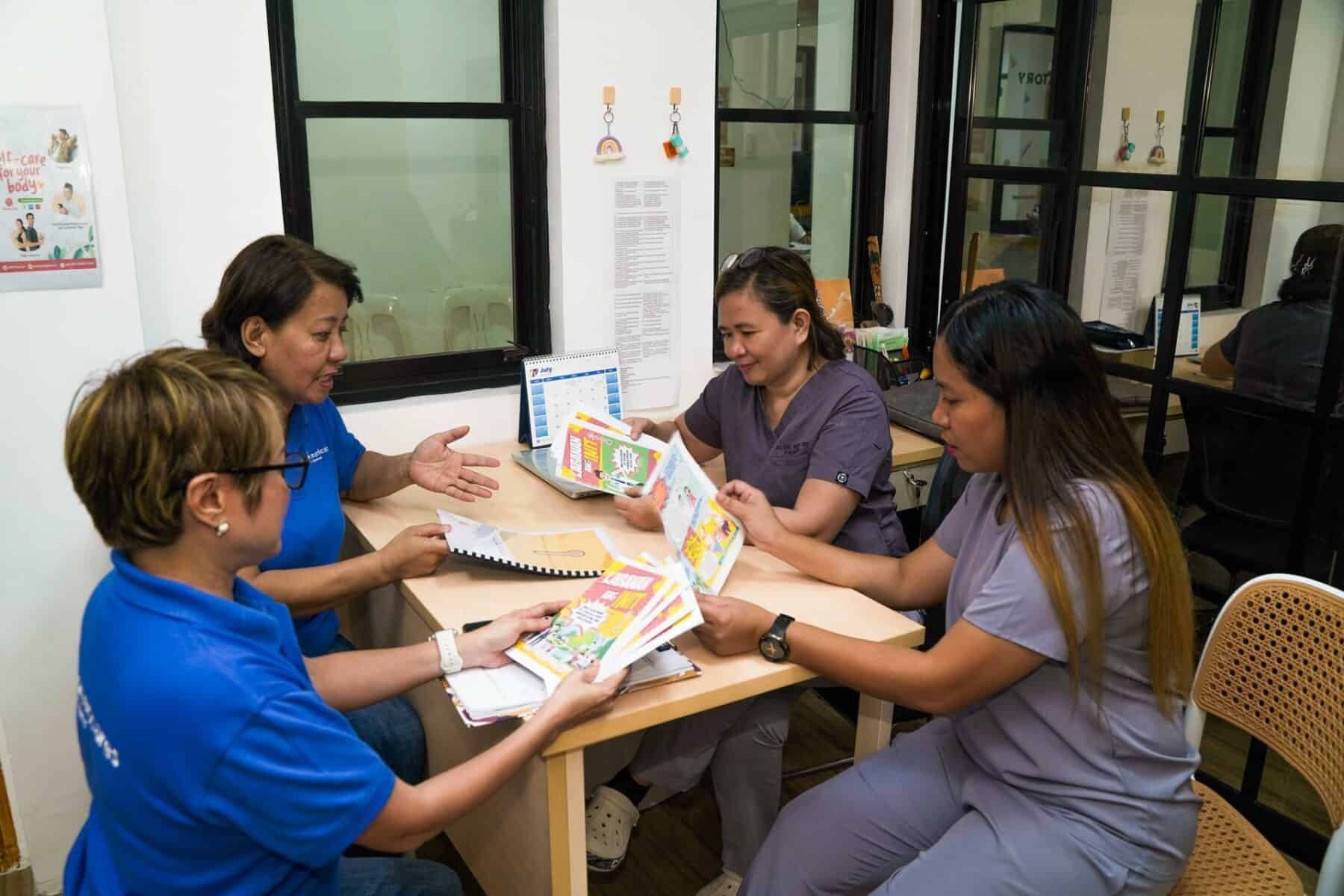
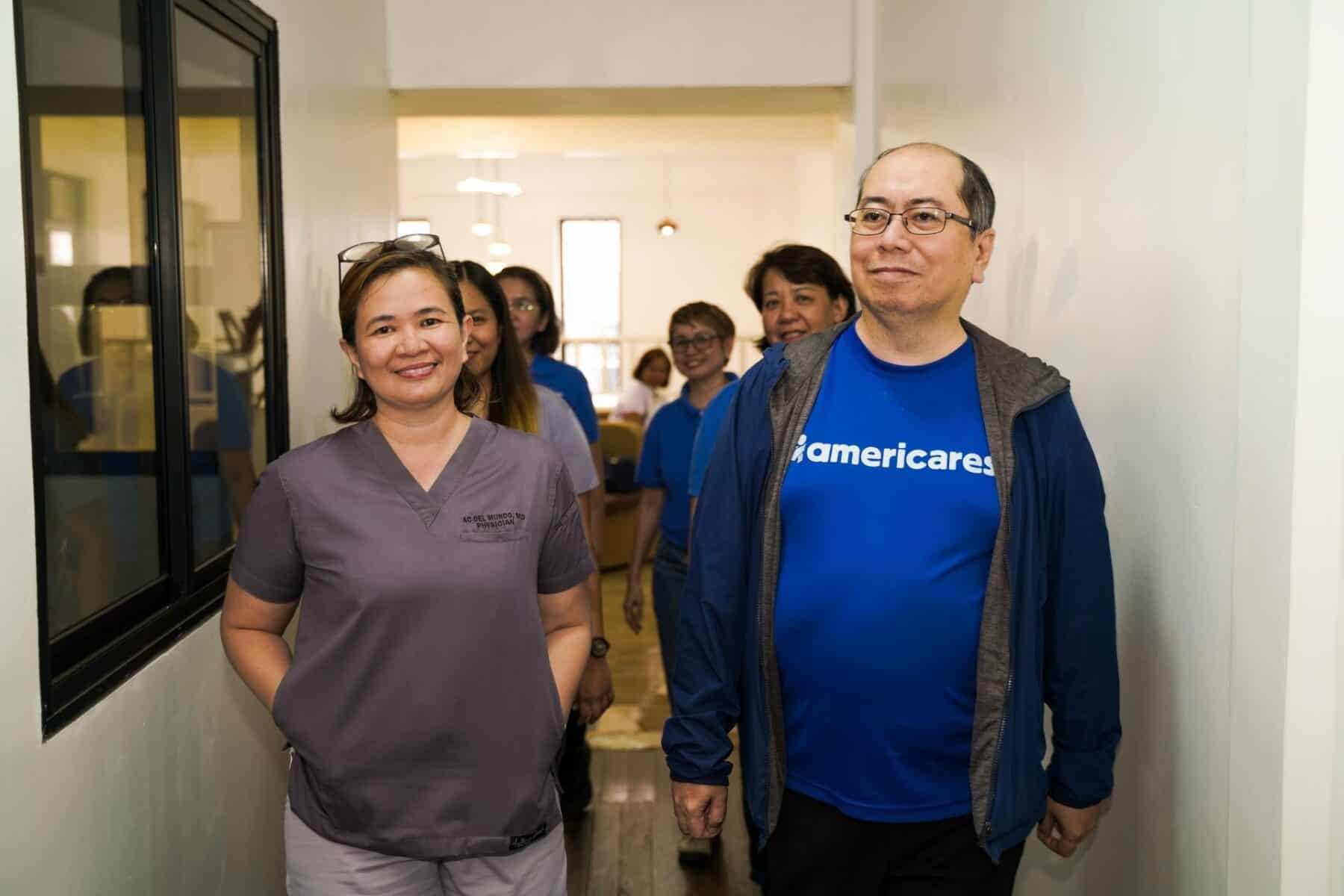
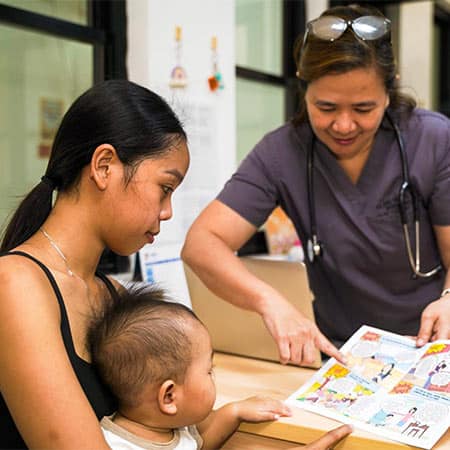
Filipino communities at risk for floods, typhoons and extreme heat have information they can use to help protect their health:  the Climate Resilience Toolkit for Health Centers in the Philippines. This toolkit provides a range of resources for health providers, facility administrators, patients and community members. For providers and facility administrators, the toolkit contains critical health information, posters and other aids. For patients and community members, illustrated materials show actions families and neighbors can take to help themselves and each other when they are experiencing extreme heat, floods or typhoons.

Launched with the Philippines Department of Health, the toolkit was developed with input from more than 35 local organizations in the Philippines, including the Philippine Medical Association, the National Association of Public Health Nurses and the Association of Municipal Health Officers, academic institutions, frontline providers and community members.  The toolkit was also developed in collaboration with The Center for Climate, Health, and the Global Environment at Harvard T.H. Chan School of Public Health (Harvard Chan C-CHANGE) with support from Johnson & Johnson. 


Toolkit Downloads


Individual resources can be downloaded for your use by clicking on Extreme Heat or Floods and Typhoons below and then selecting the individual document or module that you wish to download.

Typhoon and Flood Toolkit

toolkit samples

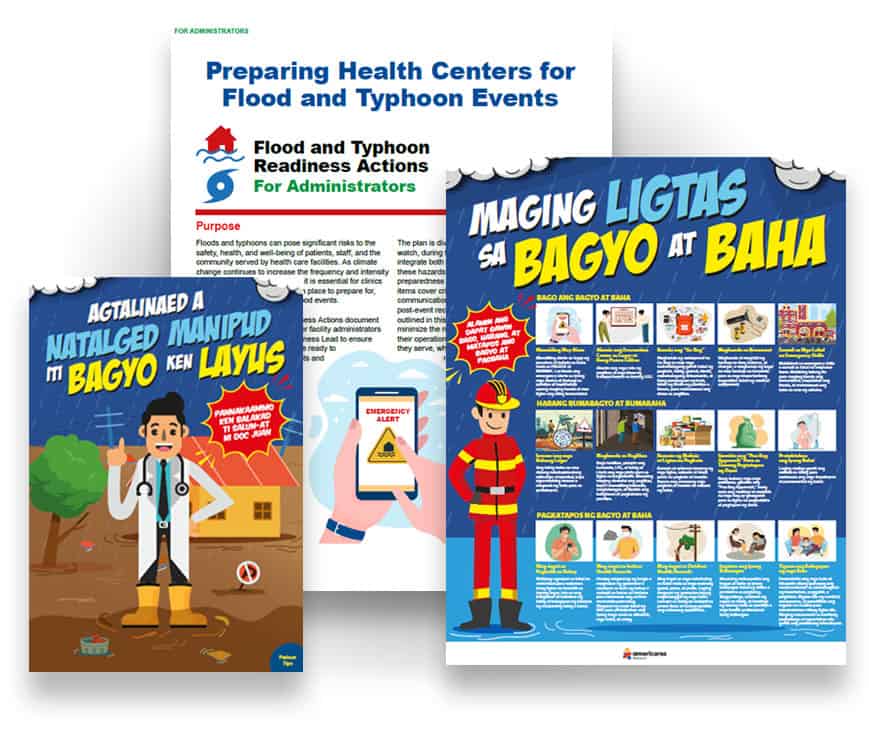
Floods and typhoons are health hazards and can have immediate and lasting effects on individuals and communities.

The changing climate can increase the frequency and severity of typhoons and other storms. One result can be dangerous flooding, which puts lives at risk. The impacts of storms and floods can have a serious impact on the health and wellbeing of impacted communities. These toolkit resources contain critical information to help you and your patients and community minimize the impacts of typhoons and floods. Click on the links to view or download the documents; the community resources are available in Cebuano, Ilocano and Tagalog.

For Administrators

  • Preparing Health Centers for Flood and Typhoon Events  English

For Patients 

For Communities

  • Community Pamphlet    Cebuano Tagalog Ilocano
  • Helping Other People Stay Safe Before, During, and After Floods and Typhoons    English

For Providers

  • Guidance for Health Care Providers on Understanding and Managing Typhoon and Flood Impacts on Health    English

Heat Toolkit

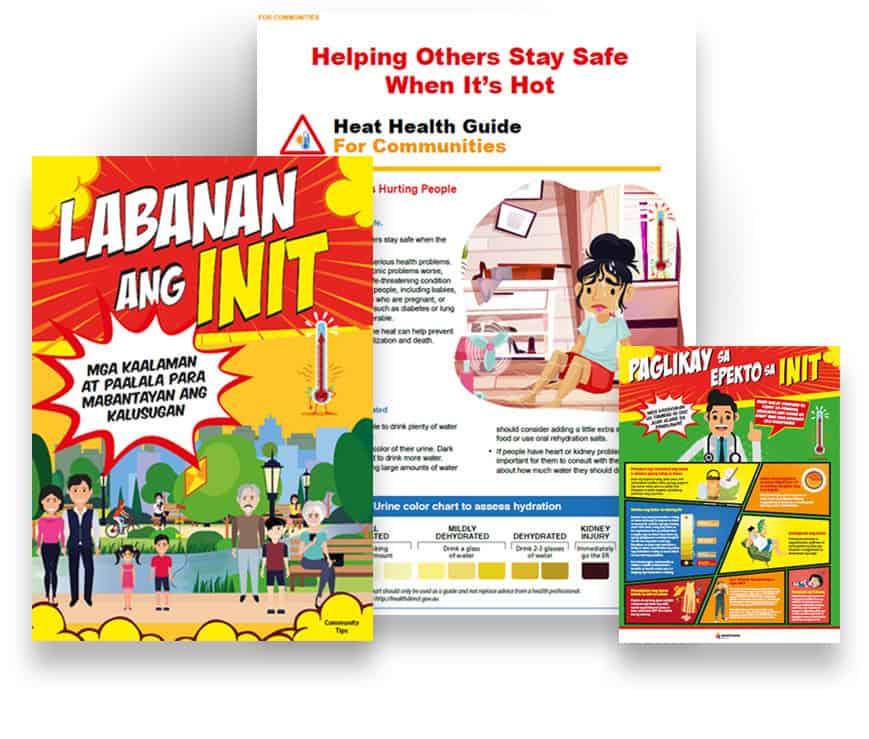
Extreme heat is dangerous and deadly. 

The changing climate contributes to more and longer periods of extreme heat, which can be dangerous and deadly. These toolkit resources contain critical information and actions you and your patients and community can take to help minimize the health impacts of extreme heat. Click on the links to view or download the documents; the community resources are available in Cebuano, Ilocano and Tagalog.

For Administrators

  • Action Steps for Health Centers to Address Extreme Heat Events  English

For Patients 

For Communities

For Providers

  • Practical Guidance for Health Care Providers on Prevention and Treatment of Heat Related Illness    English

“This toolkit affirms our shared belief: climate resilience begins with people. It begins with empowering our doctors, nurses, barangay health workers, and administrators with the skills and tools to act decisively when lives are on the line. This is a step toward a more prepared, more compassionate, and more equitable health system.”

Dr. Teodoro J. Herbosa

Secretary of Health, Philippines Department of Health
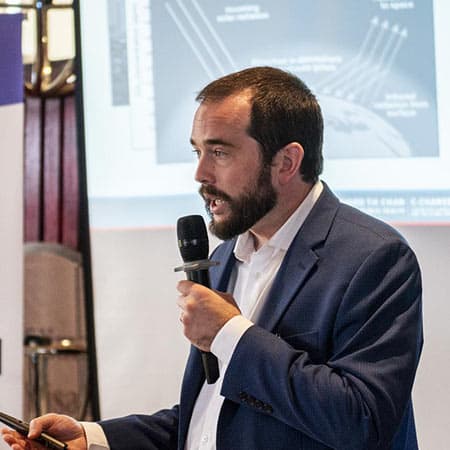
“This new resource combines the most current scientific research with the lived experiences of health professionals, humanitarian organizations, academic experts and other stakeholders in the Philippines to create a tool that is both evidence-based and practical.”

Dr. Caleb Dresser

Core faculty member, Harvard Chan C-CHANGE