

War and displacement are difficult for healthy people but can be doubly challenging for those who suffer from chronic illness such as diabetes.
War can disrupt supplies of chronic disease medicine, and stress can worsen health, making treatment even more critical. Without medicine and care, diabetics are at increased risk of life-threatening complications such as low blood sugar or hypoglycemia, which is the most frequent complication for diabetic patients who depend on insulin. Left untreated, low-blood sugar can lead to life-threatening comas.
Since the start of the war, treatments for low blood sugar have been in short supply in Ukraine, and critical medicines for diabetes have been nearly impossible to find. Americares and Xeris Pharmaceuticals, Inc. provided hospitals in Ukraine with 5,800 ready-to-use syringes prefilled with the medicine glucagon — known as glucagon pens — which can quickly and easily treat low blood sugar in critical situations — when patients are unconscious or experiencing seizures, for example, and can receive glucose only intravenously.
The donated glucagon pens have been distributed to Ukrainian hospitals by Americares partner the Ukrainian Diabetes Federation (UDF). “We are facing difficulties with needles for syringe pens and lancets for finger piercing. That’s why it was timely and extremely important to receive glucagon,” says Valentina Ocheetenko, Chair of the Board of the Ukrainian Diabetes Federation.
A national children’s hospital in eastern Ukraine received some of the glucagon pens. This hospital provides treatment to children from all regions of Ukraine, including children who have been displaced from the occupied and de-occupied areas who have survived the war and whose diabetes has worsened due to the stressful situation.
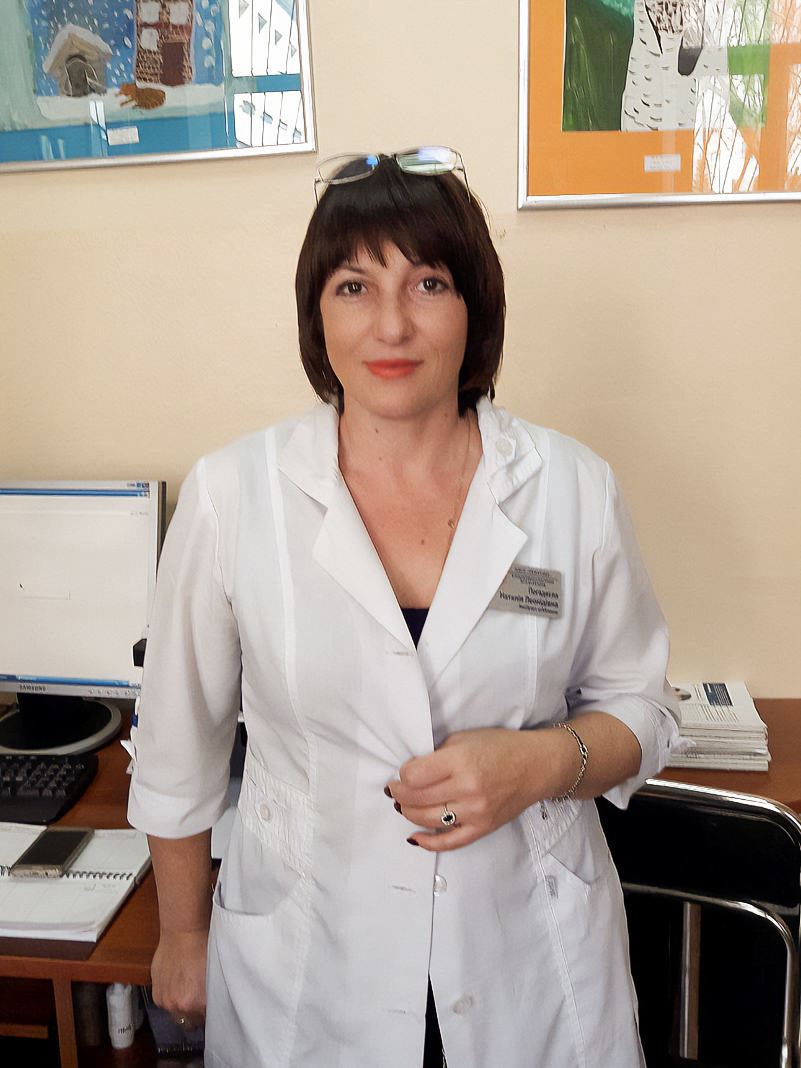
“Now, we are able to use glucagon in critical situations,” says Natalia Pogadaeva, head of the pediatric endocrinology department at the hospital. Glucagon is particularly important for young children who have high insulin sensitivity, unpredictable appetite, and often cannot tell parents about the signs of hypoglycemia, as well as adolescents, who often skip meals, says Pogadaeva. At home, it’s hard to treat hypoglycemia, as parents do not know how to inject glucose intravenously and, during severe hypoglycemia, it’s almost impossible to feed a child safely. The glucagon pens are easy to administer and work quickly, says Pogadaeva.
“ In my life, I had three really serious hypoglycemia [events]. And all these times my life has been saved with glucagon,” Dima* told UDF. “Now I can’t imagine my routine life without it because now I live without fear of hypoglycemia. With glucagon near me, I feel safe and confident.” Dima lived in Odessa during the start of the war and has now left Ukraine for university.
“Now, thanks to the Americares donation, availability of glucagon to our patients will help to solve the problem of acute hypoglycemia treatment, both at home and in the hospital,” says Pogadaeva.
According to the International Diabetes Federation Diabetes Atlas, there were 2.3 million people with diabetes in Ukraine at the beginning of 2022, of which 230,000 receive insulin.
*name changed for privacy
Recent News
October 30, 2025
Americares is preparing to respond to Tropical Storm Melissa, which is forecast to become a major hurricane in the Caribbean.
October 24, 2025
Americares is preparing to respond to Tropical Storm Melissa, which is forecast to become a major hurricane in the Caribbean.
October 22, 2025
Stamford, Conn. – Oct. 22, 2025 – Americares, the global health and disaster relief organization, is pleased to welcome Kellen Thomas as its new senior vice president of medicine security.
October 09, 2025
Tony Goldwyn will be celebrated for his lifetime of philanthropy at the 2026 Americares Airlift Benefit.
