

Wildfire Response: Six-month Update
It was truly a lifeline…
Six months after wildfires torched 37,700 acres across Los Angeles County, destroying entire communities, Americares support for local health providers is helping survivors access the health services they need.
When the fires began on January 7, Americares immediately contacted more than 70 partners throughout the region, including 24 health organizations in Los Angeles that serve low-income, uninsured patients and deployed an emergency response team to Los Angeles to deliver aid and coordinate shipments of relief supplies. Clinic staff also had access to free, online guides for managing health during wildfires. Partner clinics and local organizations requested N95 masks and respiratory and chronic disease medications – critical for people forced to flee without the medicine they need to maintain their health.
More than 150,000 residents evacuated their homes to escape fire or smoke. According to Calfire, the largest fires — Palisades and Eaton — destroyed more than 16,000 structures, including homes, and killed 30 people. Officials warned that fire damage to reservoirs and pumps had compromised water infrastructure in some areas and urged residents to avoid drinking or cooking with tap water for weeks after the fire.
In the six months since the fire, Americares has provided people across the region with medicine, N-95 masks, water, cash assistance and increased access to health services, including mental health.
Cash assistance: To help more than 5,500 survivors meet their most urgent needs, Americares has provided over $950,000 in direct cash assistance, part of a $1 million commitment. More than half the households receiving Americares cash assistance lost their homes in the fires, and a third lost income; families receiving the cards included more than 1,800 children under age 17. “I wish I could express how grateful all of the families have been,” says Ed Gerber, executive director of Lestonnac Free Clinic, Americares local partner managing the distributions across Los Angeles. “It was truly a lifeline thrown to people drowning in a sea of frustration.” The cards provide an opportunity to make personal choices at a time when choices are few, especially for families living in shelters. To receive a cash card, families and individuals must be living with low-incomes and have been directly affected by the wildfires through evacuation, loss of property or loss of employment.
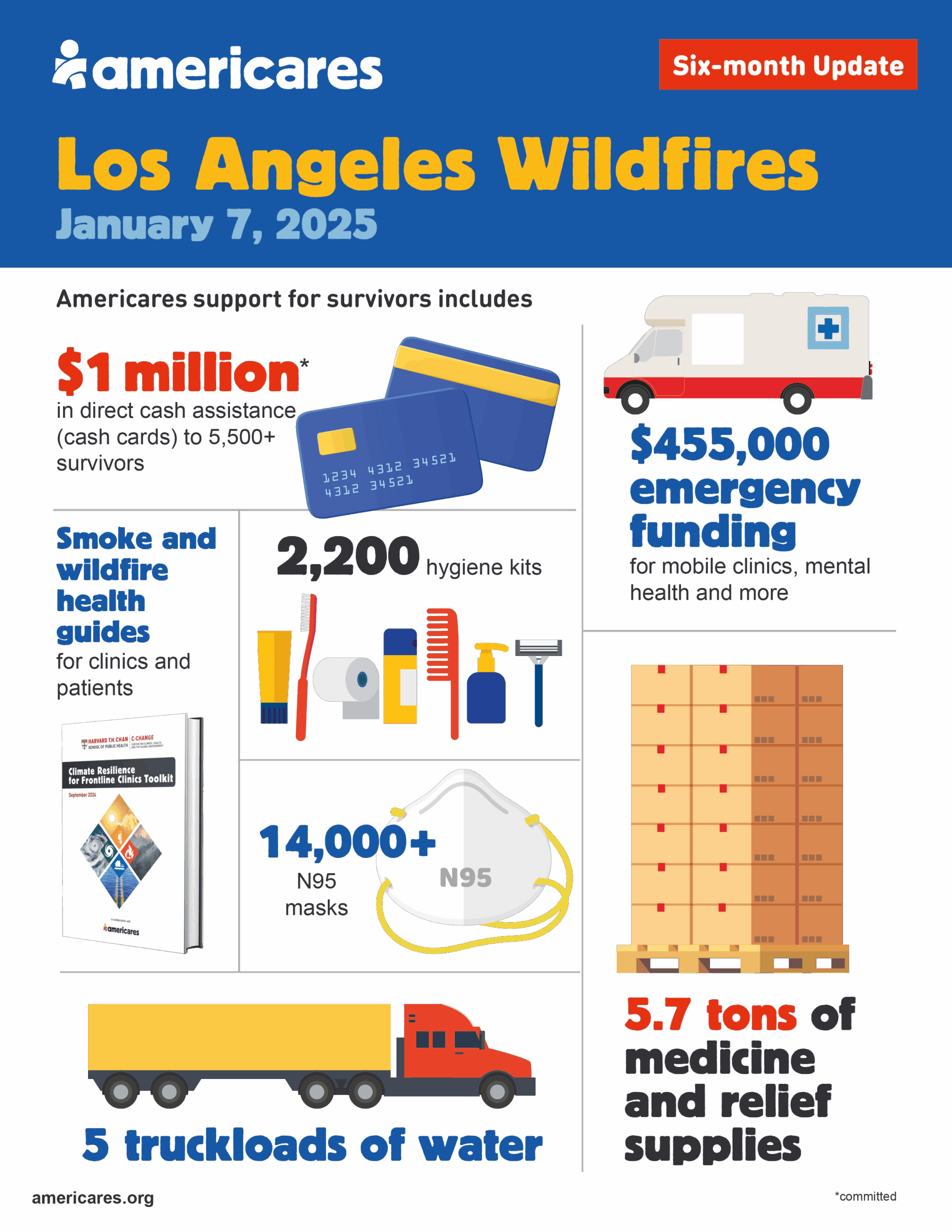
Mobile clinics and medicine: Americares provided emergency funding for mobile clinics providing care in fire-affected communities where health needs are urgent. Clinics also received medicine from Americares — enough to fill more than 1,500 prescriptions. “Had our patient not received medication, she would have had to go to the emergency room,” says Ana Ruiz, chief executive officer of Vida Mobile Clinic, describing one patient with dangerously high blood pressure. “Many patients shared that they were having difficulty securing appointments with their primary care providers,” says Xochitl Flores, Director of Operations at Medical Mission Adventures, which operates a mobile medical clinic supported by Americares near Altadena. After an initial increase in respiratory conditions, such as asthma, and smoke inhalation, the Medical Mission Adventures team saw an increase in need for chronic disease medicine. Americares donations of medicine included those for both respiratory and chronic diseases.
Mental health: Americares provided emergency funding to local partners providing mental health services. “Many survivors are reporting sleep difficulties and uncertainty about the future,” says Flores, who reports that between January and May, 14 percent of MMA’s patients sought care for mental health. The stress isn’t easing. “Some are losing temporary jobs after stepping in to assist with wildfire debris cleanup,” says Flores. Three of Americares grants support mental health, including the MMA mobile clinic, which provides mental support along with primary care services.
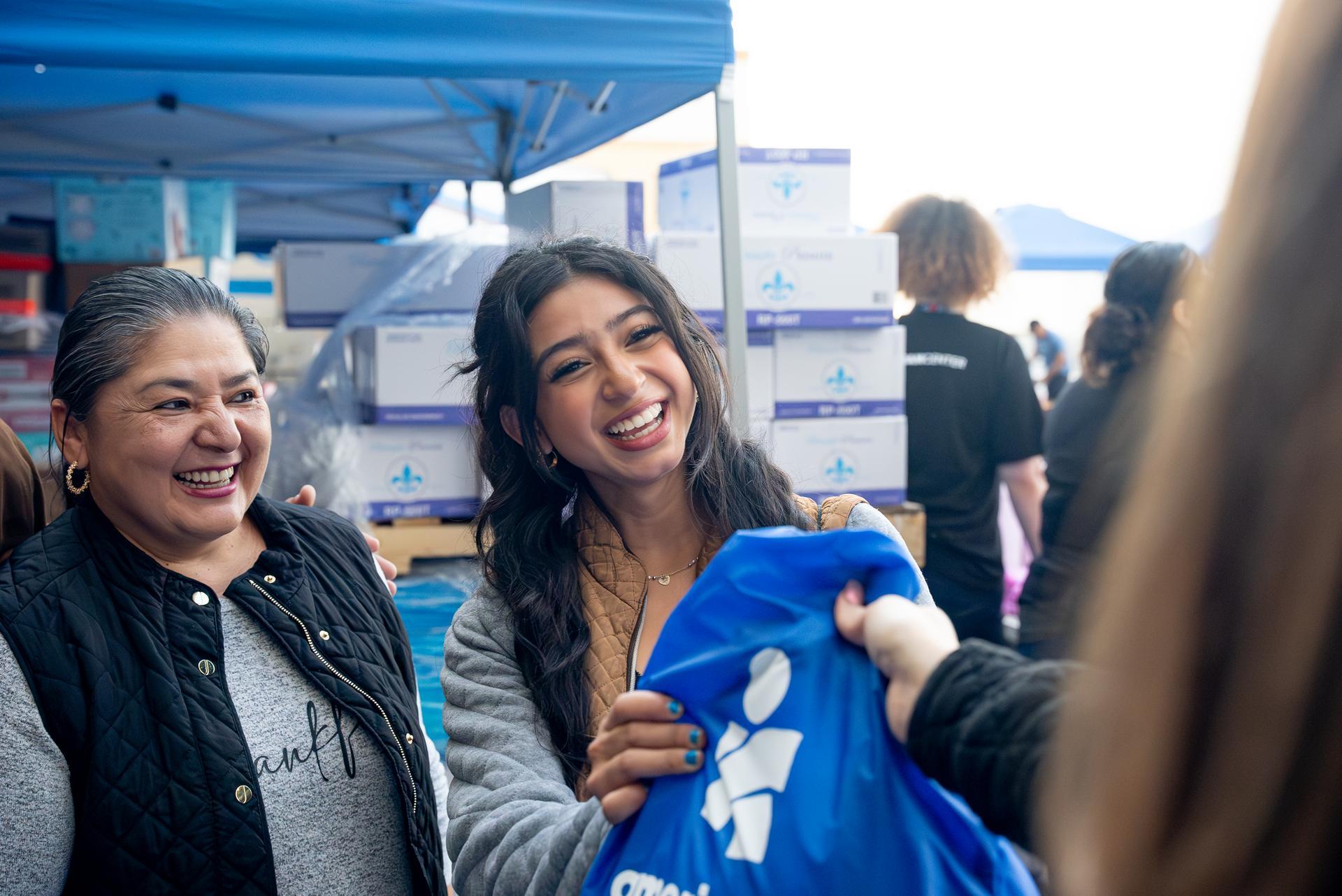
Hygiene and recovery kits: People affected by the fires — who lost their home, job, or were perhaps forced to move because of toxic ash — received 2,200 hygiene and recovery kits provided by Americares through local health partners. The kits contain toothbrushes, toothpaste, soap, shampoo, and much more – each item to maintain and protect health and ease financial stress for people living on low-incomes even before the fires.
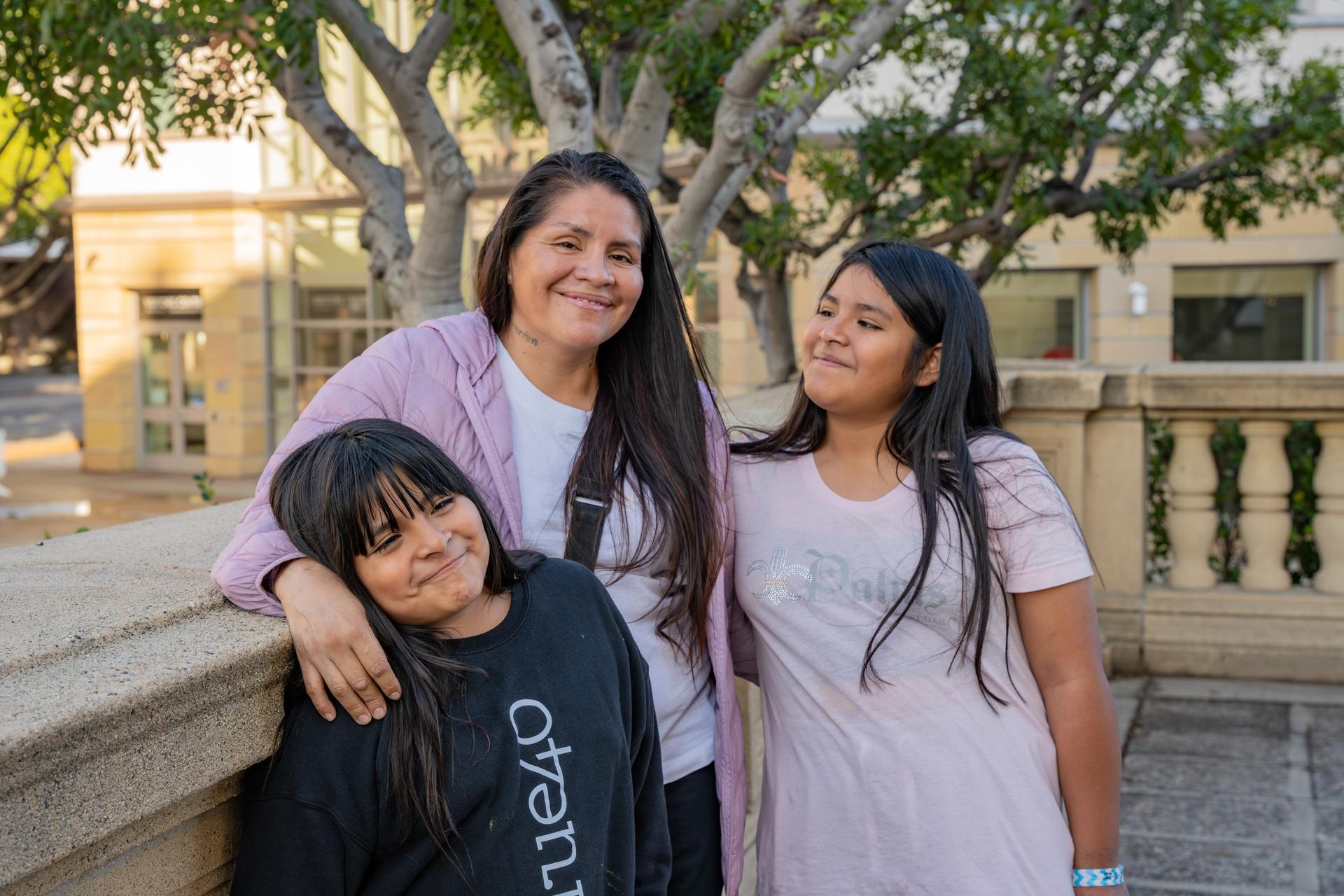
“I’m going to hang on to the [cash assistance] card until we have a place.”
— Wildfire survivor Angela, who received Americares cash assistance
Masks and medicine: To protect people across the region from the effects of toxic smoke and ash, Americares provided local partners with more than 14,000 N-95 masks and respiratory medicine.
Water: When officials urged residents to avoid drinking or cooking with tap water after the fire, Americares provided the Los Angeles Food Bank with five truckloads of water, available at no cost to qualifying families and individuals.
Committed to health: Americares will continue to collaborate with local organizations to provide critical resources to meet immediate and ongoing urgent health needs.
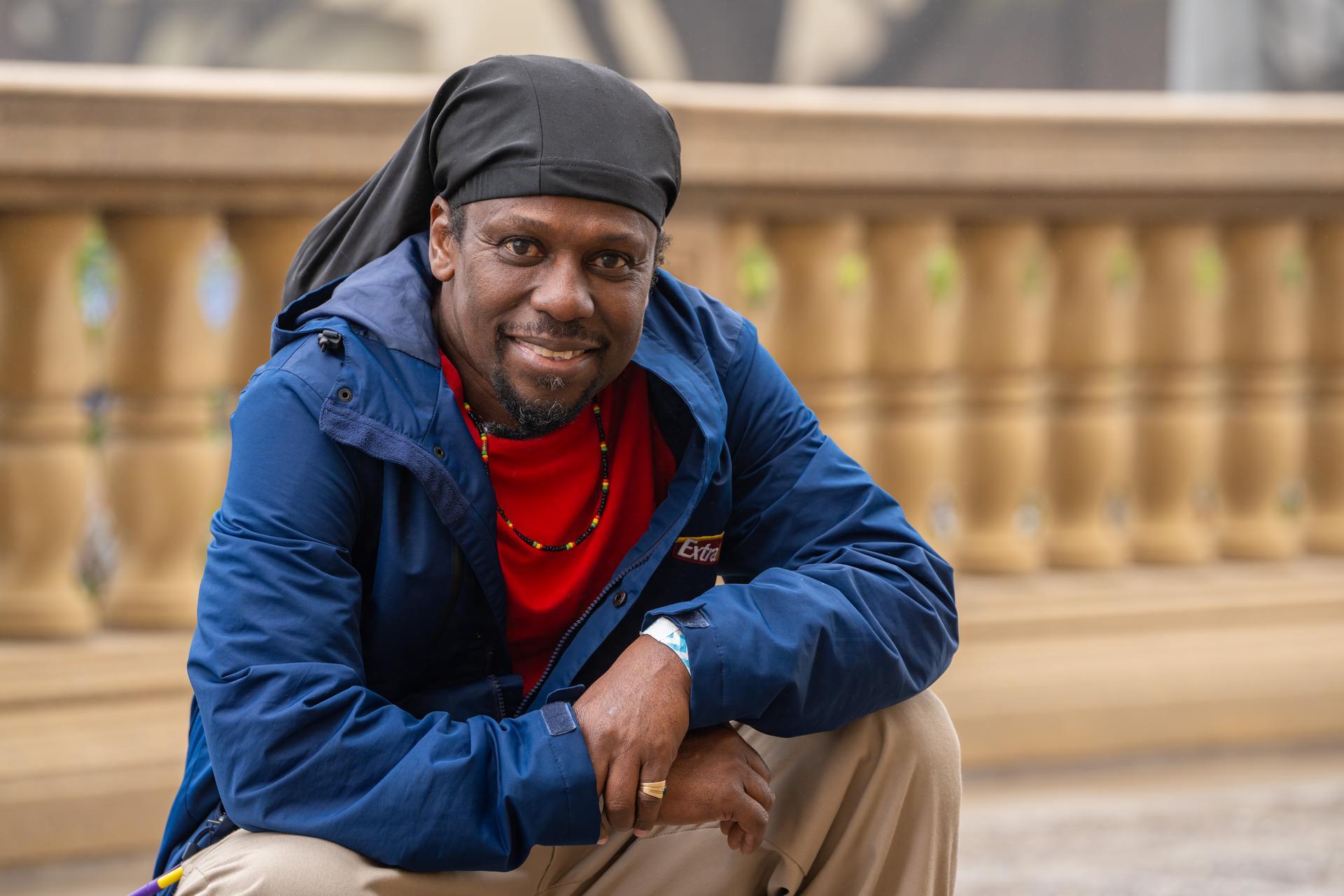
“We don’t know what tomorrow holds.”
— Wildfire survivor Alphonso, who lost his home in the Altadena fire and received Americares cash assistance
